

Time to Revisit Chianti Classico
If it’s been a while since you’ve tasted Chianti Classico, now couldn’t be a
better time.
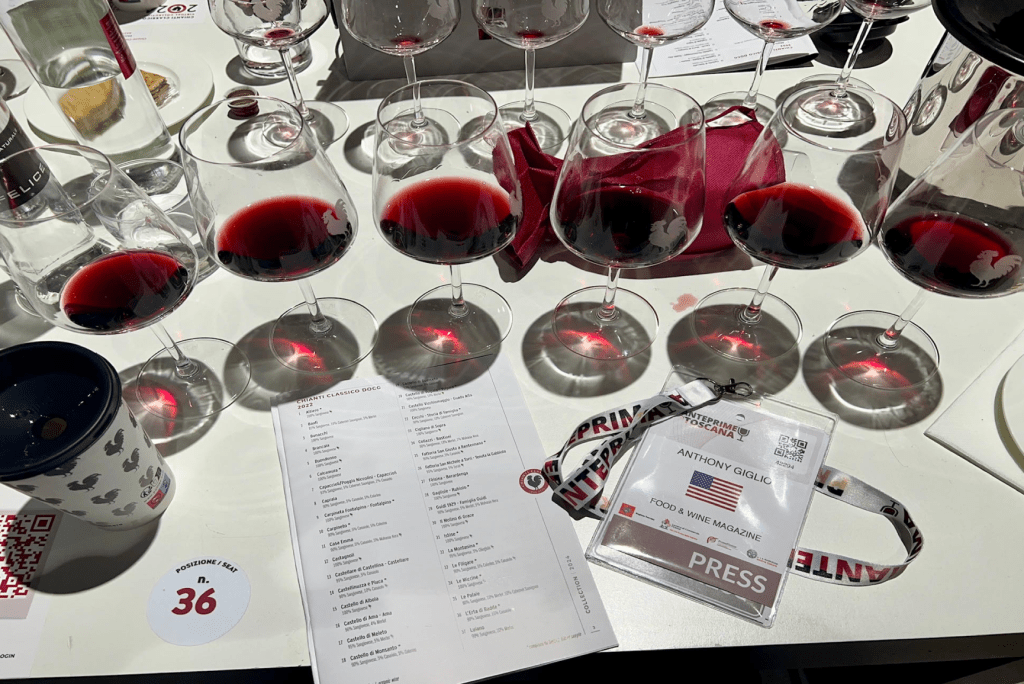
For people of a certain age (ahem), the term Chianti is synonymous pleasant, light- to medium-bodied red wines that are perfectly delicious, but perhaps not very serious. Worse is the connection between Chianti and the old-fashioned straw-bottomed bottles that adorned zillions of tables well into the 1980s, often used afterward as candlesticks. If that’s how you think about Chianti, it’s time for a refresher.
For starters, let’s focus on the name Chianti, but with the addition of Classico, so that you forevermore associate higher quality with the conjoined words “Chianti Classico.” Chianti Classico represents the epitome of excellence within the realm of Tuscan wines, surpassing basic Chianti in several key aspects. Firstly, its geographical indication denotes a smaller, more select area of production, allowing for stricter quality controls and a greater emphasis on terroir-driven winemaking practices. The unique microclimates and soil compositions of the Chianti Classico region, coupled with its higher elevations and optimal sun exposure, yield grapes of unparalleled richness and complexity. Additionally, the aging requirements for Chianti Classico wines, particularly those bearing the “Riserva” and “Gran Selezione” designations, ensure extended maturation periods that enhance flavor development and bouquet refinement. Lastly, the meticulous craftsmanship and attention to detail exhibited by producers within the Chianti Classico Consortium underscore a commitment to upholding centuries- old winemaking traditions while continuously striving for innovation and excellence. Ultimately, Chianti Classico represents the pinnacle of the Sangiovese grape’s expression, offering wine enthusiasts an unrivaled sensory experience that embodies the essence of Tuscany’s storied viticultural heritage.
“Think of Chianti Classico as the manifestation of all the colors, aromas and flavors we associate with Tuscany—and Italy[.]”
While all of those facts might not be making you thirsty, perhaps describing the wine itself will. Think of Chianti Classico as the manifestation of all the colors, aromas and flavors we associate with Tuscany—and Italy: Common tasting notes include a symphony of red fruits, dried herbs, hints of balsa wood (think dried sage stems), smoke, and a touch of game (what we wine writers like to call Deli aromas). At its pinnacle, Chianti Classico reveal layers of complexity, with nuances of preserved sour cherries, dried oregano, dark balsamic reduction, dry salami, rich espresso, and sweet tobacco dancing on the palate. This sensory experience is a testament to the unique characteristics of Sangiovese, a thin- skinned grape variety that imparts a distinctive ruby red color with flashes of burnt orange—a hue synonymous with aged wines.
While Sangiovese remains the cornerstone of Chianti, other grape varietals such as Canaiolo, Colorino, Cabernet Sauvignon, and Merlot may also contribute to the blend, adding depth and complexity to the final product. However, it’s important to note that the use of white grapes, once permitted in Chianti, is now prohibited in both Chianti and Chianti Classico.
The original boundaries of Chianti Classico, designated as a DOCG (Denominazione di Origine Controllata e Garantita—Italy’s highest quality imprimatur), are where wines are crafted in smaller quantities and esteemed for their superior quality. This region spans around 177,000 acres, just south of Florence straight down to Siena in the south. Aging plays a crucial role in the wine’s development, with various classifications indicating the level of maturity and complexity. Chianti Classico must have a minimum aging of 12 months; Chianti Classico Riserva must have a minimum of 24 months (including three months of bottle refinement); and at the top is Chianti Classico Gran Selezione, which must be made with estate-owned grapes only, a single vineyard within the estate, or selection of the best grapes from the estate. Gran Selezione requires 30 months (including three months of bottle refinement).
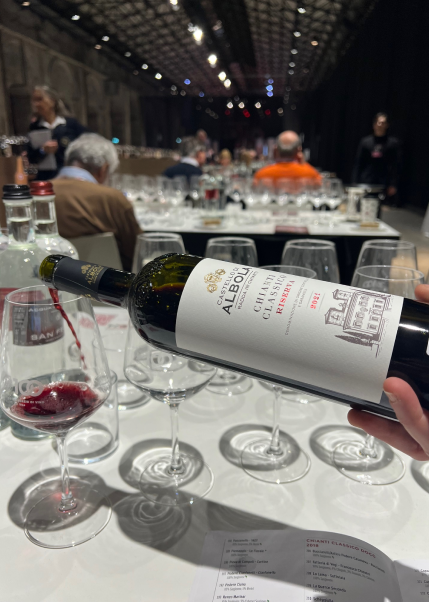
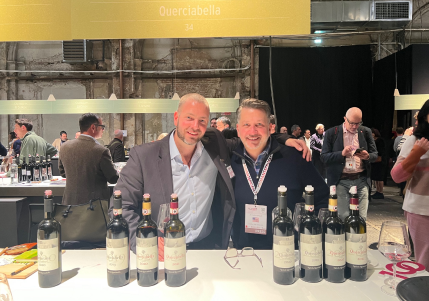
Against this backdrop of tradition and excellence, I was invited to Florence earlier this month to celebrate the 100th anniversary of the Consorzio Vino Chianti Classico—a celebration of a century of dedication, innovation, and passion for one of Italy’s most cherished appellations. At the 31st Chianti Classico Collection, a record-breaking number of exhibitors converged at the historic Stazione Leopolda in Florence, presenting an unparalleled array of Chianti Classico, Riserva, and Gran Selezione vintages to be tasted by the wine press.
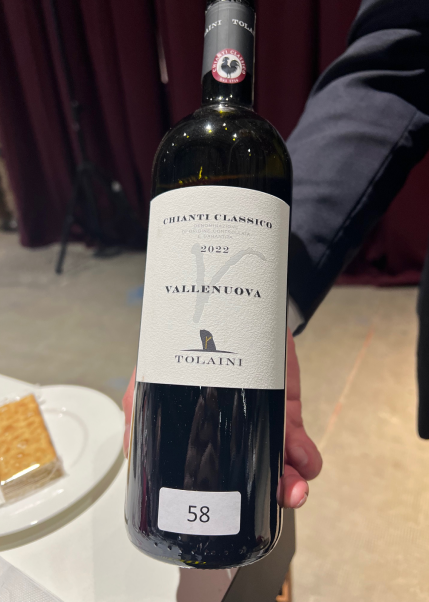
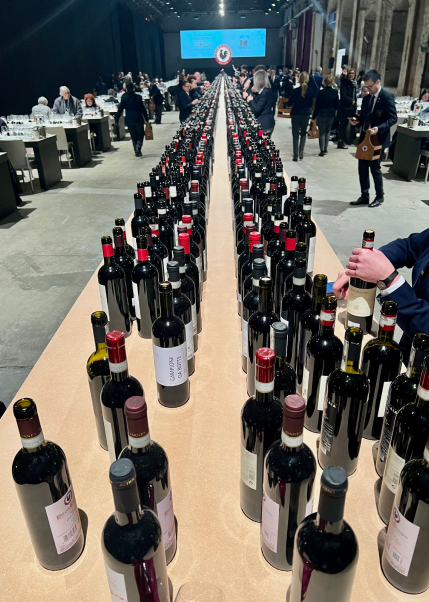
I can say this without a doubt that in my 35 years as a wine journalist I have never witnessed a grander display of wine bottles at a press tasting. For context, Stazione Leopolda is a defunct train station completed in 1848 near Florence’s Porta al Prato that’s now used for large expositions. Given the scale of each empty train bay, the Consorzio devised an enormous central table running the length of several train cars to hold the massive number of bottles being poured. Imagine 211 producers contributing multiple bottles of 773 different labels bearing the iconic Black Rooster (the logo of the Consorzio Chianti Classico), all available to taste, including 172 Chianti Classico Riserva and 151 Gran Selezione labels.
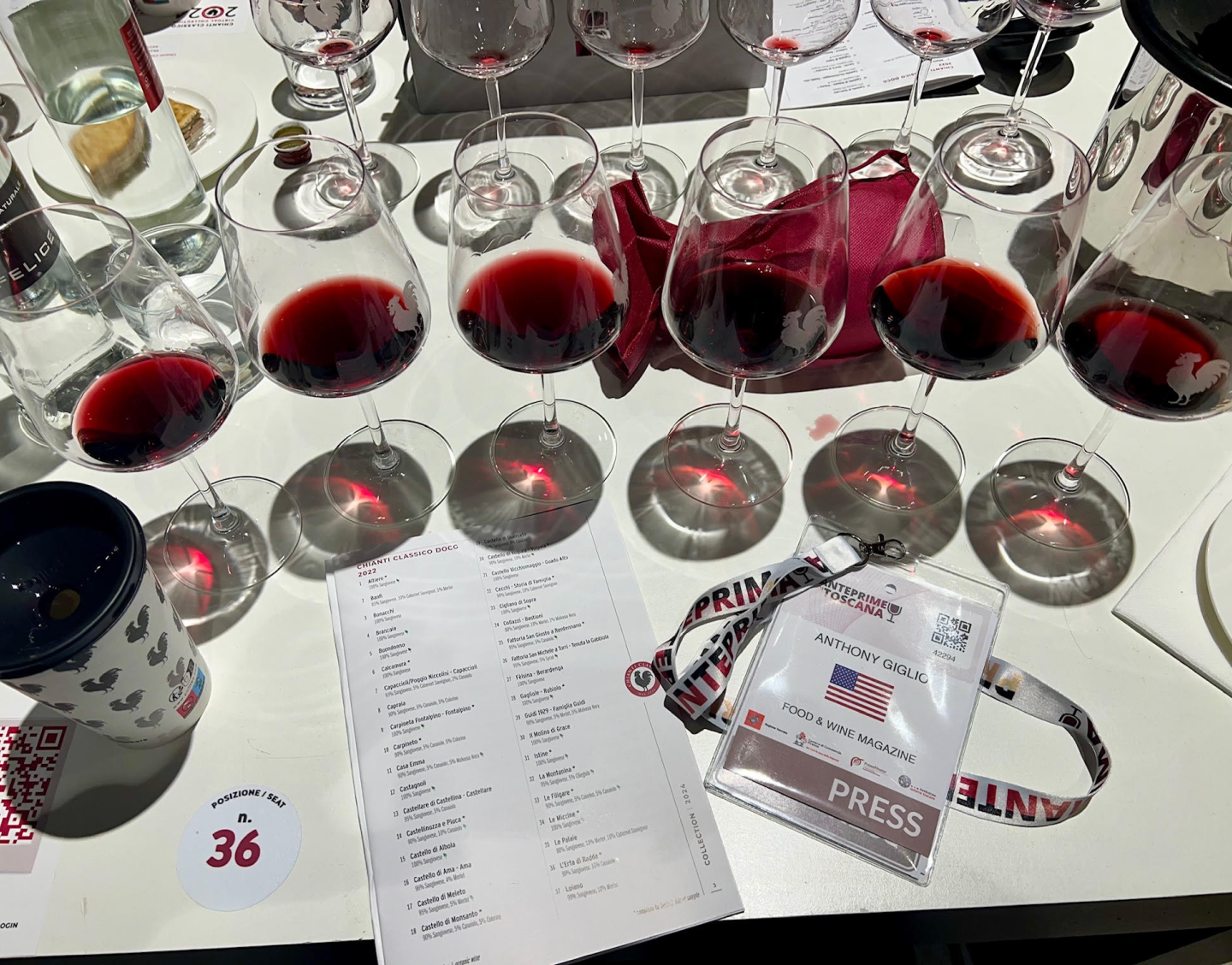
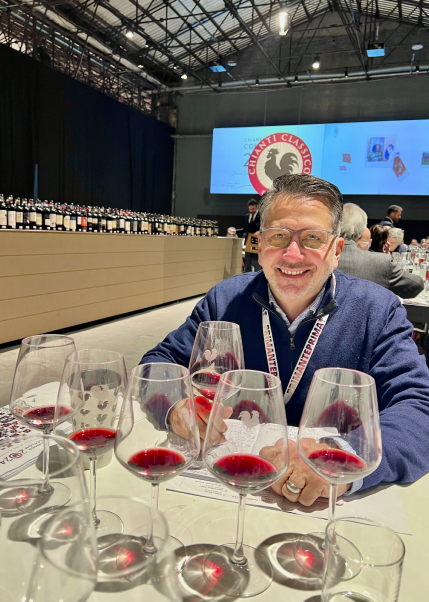
The process of tasting as many wines as possible during this two-day tasting marathon was nothing short of amazing: Using an app we ordered six wines at a time that were quickly delivered by one of dozens of courteous, uniformed sommeliers from the prestigious Associazione Italiana Sommelier. Over the course of two days I tasted over 250 wines, as well as visited dozens of producers at their tables in the adjacent train bay where over 200 producers received guests and poured even more bottles that weren’t on that big table. It was a spectacular experience.
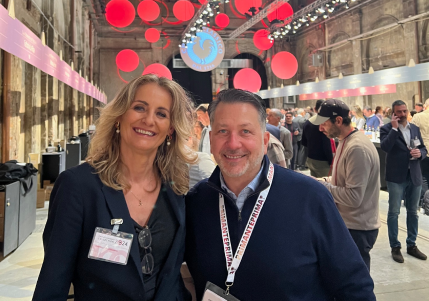

So, how where the wines? The 2022 Chianti Classicos were overall very, very good. Vintage reports suggest that it was a very good year, and I’d have to agree that many of the wines I tasted were, as we say, sound: No flaws and well- structured. In plain English, that means you should seek them out at your local restaurant or retailer. What I like most about Chianti Classico is the value they represent: Given the strict quality standards imposed on these producers, the prices seem relatively reasonable, compared with loftier appellations like Bordeaux and Burgundy. But I’ll let you decide once you get started tasting.